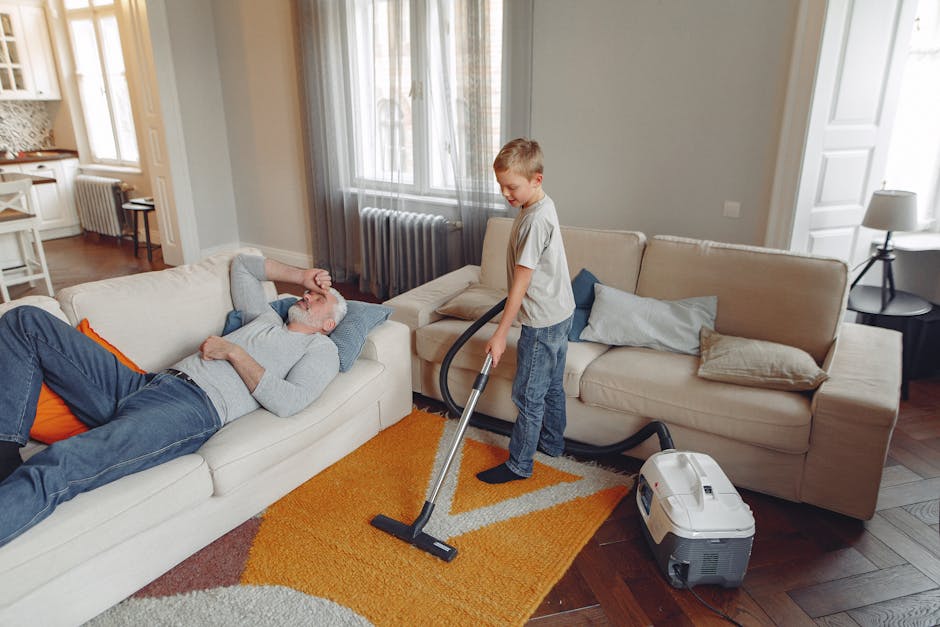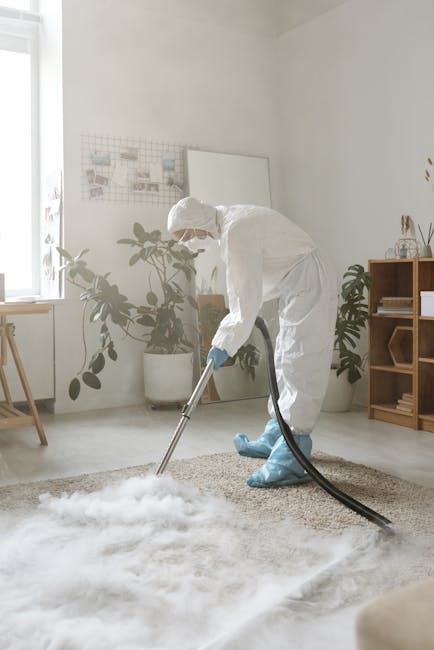
Carpet cleaning near Sidcup station: a practical local guide for cleaner, healthier carpets
If you live, work, or rent near Sidcup station, carpet cleaning can feel like one of those jobs you keep meaning to sort out until the stains, dust, or lingering smell start making themselves known. A hallway mat picks up street grit. A lounge carpet traps pet hair. A rental flat suddenly needs to look presentable by Friday. It happens. And when it does, carpet cleaning near Sidcup station is less about vanity and more about keeping a home or business fresh, comfortable, and easier to live in.
This guide walks through what the service actually involves, who needs it, what affects results, and how to choose the right approach without wasting time or money. You will also find practical steps, a checklist, and answers to the questions people usually ask when they are trying to decide whether a clean is worth booking now or can wait a bit longer.
Why carpet cleaning near Sidcup station matters
Carpets do more than cover a floor. They hold onto everything that gets carried in from outside: dust, soil, pollen, crumbs, pet dander, drink spills, and the odd bit of grit that seems to appear out of nowhere. Near a station, that build-up can happen faster than you might expect because people are coming and going more often, shoes are picking up debris, and entrances see constant traffic. A carpet can look fine on the surface while still feeling tired underfoot.
That matters for a few reasons. First, a cleaner carpet changes how a room feels almost instantly. Second, a well-maintained carpet tends to wear more evenly, especially in high-traffic areas like hallways, living rooms, receptions, and shop floors. Third, if you are letting out a property or welcoming customers, the condition of the carpet makes a strong first impression. Truth be told, people notice a floor before they consciously think about it.
There is also the practical side. Small spills left too long can set, odours can linger, and grit can act like sandpaper against carpet fibres. Over time, that makes pile flatten, colours dull, and patchy traffic lanes more obvious. So this is not just about making things look nice for a day or two. It is about protecting the carpet itself and making the room easier to live or work in.
For homeowners, renters, landlords, and local businesses, a good clean often sits somewhere between maintenance and reset. If you are near the station and life is busy, that reset can be surprisingly valuable.
How carpet cleaning near Sidcup station works
Most professional carpet cleaning starts with inspection. That means checking the fibre type, the level of soiling, the stains present, and any worn or delicate areas. Not every carpet should be treated the same way. Wool, synthetic blends, and office carpet tiles can all behave differently. A sensible cleaner will adjust the process rather than forcing one method onto everything.
The next stage is usually preparation. Loose dirt is removed, furniture may be moved where agreed, and stubborn marks are pre-treated. This matters because cleaning a carpet without proper preparation is a bit like washing a muddy car without rinsing off the mud first. You might improve it, but you will not get the best result.
From there, the method depends on the carpet and the result needed. Steam-based hot water extraction is common for deep cleaning because it flushes out soil from within the fibres. Low-moisture or dry-ish approaches can be useful where fast drying matters or where a carpet is sensitive to excess water. Spot treatment may be added for specific issues such as wine, tea, pet accidents, or tracked-in dirt.
After cleaning, drying and final grooming are important. Fibres are often brushed or reset so the pile stands evenly. Windows may need opening, air flow helps, and walking on the carpet too soon can leave marks. If you have ever stepped on a freshly cleaned carpet in socks and thought, "Ah, that feels better," you already know why the final stage matters.
If you are comparing services, it can help to read the detail behind a company's carpet cleaning service and check whether they also offer related treatments such as steam carpet cleaning or more targeted stain removal when marks need extra attention.
Key benefits and practical advantages
The benefits of carpet cleaning are easy to understand, but the real value often shows up in everyday life. A fresh carpet can change the whole mood of a room. It smells cleaner. It feels softer. The space simply seems less tired. That sounds simple, but in a busy home or business, simple is good.
Here are the most useful advantages people usually notice:
- Improved appearance: Dirt and traffic marks are lifted, so colours look brighter and the carpet feels more even.
- Better odour control: Spills, pets, cooking smells, and damp can leave a lingering scent that regular vacuuming does not touch.
- Longer carpet life: Regular cleaning helps reduce abrasive grit and fibre wear.
- More comfortable rooms: A cleaner carpet can make a lounge, bedroom, or reception area feel more welcoming.
- Support for tenancy or sale preparation: Good presentation matters when people are moving in, moving out, or viewing a property.
- Better hygiene in busy spaces: Especially where children, pets, visitors, or customers are coming through regularly.
One thing people often underestimate is how much carpet cleaning can help with a room that has become visually "flat." Not filthy, just flat. You know the one: the carpet is technically okay, but it no longer lifts the room. A proper clean can bring that back.
For households with pets, combining carpet care with pet stain and odour removal can be especially useful. For larger properties or furnished rooms, the result is often better when carpets are considered alongside sofa cleaning or upholstery cleaning, because dust and smells tend to move around the whole room, not sit neatly in one place.
Who this is for and when it makes sense
To be fair, not every carpet needs a deep professional clean every time it looks slightly dull. But many situations do justify it. If you are in a small flat near Sidcup station and only one room is used heavily, you may only need a targeted refresh. If you manage a family home, rental property, or client-facing space, the case for professional cleaning becomes stronger quite quickly.
It makes particular sense for:
- households with pets or young children
- renters preparing for a check-out or moving into a new place
- landlords wanting to present a property properly
- small offices, reception areas, and commercial spaces with foot traffic
- people dealing with spills, tracking, or isolated stains
- homes where vacuuming is regular but the carpet still looks tired
Commercial settings can be a different beast. A small office near the station might need cleaning outside business hours, while a shop or waiting area might need a quicker drying method to keep disruption down. If that sounds familiar, commercial carpet cleaning is worth considering, especially if appearance and turnaround time both matter.
There is also a seasonal angle. Damp weather, muddy shoes, and heavier indoor use during colder months can make carpets seem dirtier faster. After a particularly wet spell, you might notice a faint smell of outdoors and wet fibre near the entrance. Not glamorous, but very real.
Step-by-step guidance
If you are booking carpet cleaning near Sidcup station for the first time, it helps to know what the process usually looks like. That way nothing feels mysterious, and you can prepare the space properly. Here is the simple version.
- Assess the carpet. Check the fibre type, age, visible stains, and any wear spots. This is where a good cleaner decides the safest method.
- Vacuum thoroughly. Loose grit should be removed before wet cleaning begins. Skipping this stage can make the final result worse, not better.
- Pre-treat marks and traffic areas. Stains and heavily used routes often need a separate treatment before the main clean.
- Choose the method. Steam extraction, low-moisture cleaning, or a combination of approaches may be used depending on the carpet and drying time needed.
- Clean in sections. This keeps the process controlled and avoids missing patches, especially in larger or awkward rooms.
- Allow for drying. Good air flow matters. Plan around that, because walking on a damp carpet too soon can flatten fibres.
- Check the finish. Inspect edges, corners, and high-traffic lanes. These are the places that reveal whether the job was done properly.
If you are handling a light spill yourself before the cleaner arrives, blot rather than rub. Rubbing tends to push the stain deeper. Annoying, but true. And if the mark is stubborn, it is usually better to leave it than to make it spread.
Some people also like to ask for an overall refresh of nearby soft furnishings at the same time, especially where dust and odour have travelled through a room. That can include rug cleaning or curtain cleaning, which often makes the whole room feel genuinely renewed rather than half-done.
Expert tips for better results
There are a few small choices that make a noticeable difference. None of them are complicated. They are just the kind of detail that separates a decent clean from a really good one.
- Vacuum slowly before the appointment. It is not glamorous, but it lifts dry soil and helps the cleaner focus on embedded dirt.
- Point out problem areas first. If there is a tea stain in one corner or a pet area near a door, say so at the start. It saves time and avoids surprises.
- Move light items if you can. Lamps, baskets, and small tables can slow things down if left everywhere.
- Keep pets and children out of the way. Less traffic means a cleaner result and safer drying.
- Ask about drying time honestly. Fast drying is not always a sales gimmick; sometimes it is essential in flats or working spaces.
- Use mats at entrances after the clean. This helps protect the carpet from the same grit that caused the problem in the first place.
Another small but useful tip: if you are cleaning a room that also contains upholstered furniture, sofas and carpets should be viewed as a pair. Dust, spills, and pet hair do not respect boundaries. They wander. A lot.
And yes, sometimes the best advice is the obvious one: don't wait until the carpet is visibly crying for help. A maintenance clean is usually easier, faster, and less expensive than rescuing a carpet that has been ignored for years.
Common mistakes to avoid
Most carpet-cleaning problems come from rushing, over-wetting, or using the wrong method for the fibre. That sounds basic, but it is where many bad outcomes start.
Watch out for these common mistakes:
- Using too much water. This can lead to slow drying, odour, and in some cases reappearing stains.
- Scrubbing aggressively. Hard rubbing can damage fibres and spread marks wider.
- Ignoring the carpet type. Wool and synthetic carpets should not always be treated the same way.
- Cleaning only the visible stain. Often the surrounding area needs attention too, otherwise you end up with a clean spot and a dirty halo.
- Walking on the carpet too soon. This can undo the finish and create awkward footprints or pile marks.
- Choosing solely on price. Cheap can become expensive if the carpet needs correcting afterwards.
There is also a human mistake people make all the time: they assume every stain is removable if they just keep going at it. Sometimes that is not true. Some marks have already set, and some fibres react badly to strong treatment. A cautious approach is usually wiser than a heroic one.
If you are comparing services, check whether the cleaner explains the likely outcome clearly. Good service is not promising magic. It is explaining what can realistically be improved and what may only be lightened.
Tools, resources and recommendations
You do not need a cupboard full of specialist products to keep carpets in decent shape. In fact, too many DIY products can create residue, which attracts dirt and makes the carpet look worse later. Less can be more.
Useful items and approaches include:
- a reliable vacuum cleaner with strong suction
- microfibre cloths for blotting spills
- a simple spot treatment used carefully and tested first
- protective mats for entrances and high-traffic routes
- good airflow after cleaning, especially in cooler months
- a note of any known stains so nothing gets forgotten during booking
For householders trying to understand the wider service picture, it can help to review the company's pricing and quotes information before committing. That gives you a clearer sense of what is included and what may be extra, which is always handy. Nobody enjoys the "oh, and also..." moment at the end.
If you want reassurance around trust, safety, and how your booking is handled, related pages such as insurance and safety, health and safety policy, and payment and security can be useful reference points. For a broader sense of the business itself, about us is often worth a look too.
Law, compliance, standards, or best practice
For most domestic customers, carpet cleaning is straightforward and low-risk, but best practice still matters. A reputable provider should work carefully around electrical items, avoid unnecessary water exposure, and use sensible methods for the fibre type involved. In homes and rented properties, it is also good practice to keep walkways clear and make sure the area dries properly before normal use resumes.
In commercial spaces, the expectations are a little more serious because there are staff, visitors, and operational responsibilities to consider. Cleaning should be planned to reduce slip risk, disruption, and damage to fixtures or flooring transitions. If a space has multiple users, communication helps. A simple note about drying time or restricted access can prevent a lot of awkwardness later.
It is also reasonable to ask whether a cleaner has appropriate insurance and follows clear safety procedures. That is not fussiness; it is normal diligence. If something is being moved, wet-cleaned, or treated in a busy property, you want to know the approach is sensible. And if the company has transparent policies on things like complaints, privacy, and terms, that usually tells you they take the practical side seriously too.
For environmental considerations, some customers prefer a provider that takes recycling and sustainability seriously, especially when chemicals, packaging, and wastewater are part of the conversation. You do not need to overcomplicate it. Just ask what is done in practice and whether products are used sparingly and appropriately.
Options, methods, or comparison table
Different carpets and situations call for different methods. The goal is not simply to clean; it is to clean well without causing avoidable issues. Here is a simple comparison that may help you think it through.
| Method | Best for | Strengths | Things to consider |
|---|---|---|---|
| Steam / hot water extraction | Deep cleaning, heavily used rooms, embedded soil | Good soil removal, thorough refresh, strong overall reset | Needs sensible drying time; not ideal for every delicate carpet |
| Low-moisture cleaning | Quick turnaround, lighter maintenance cleans, busy areas | Faster drying, less disruption, useful for repeated maintenance | May not reach the same depth on very soiled carpets |
| Targeted stain treatment | Isolated spills, pet spots, localised marks | Focused attention, useful alongside a broader clean | Results depend on stain age, fibre type, and previous DIY attempts |
| Combined approach | Homes and businesses with mixed issues | Flexible, tailored, often the most balanced option | Needs proper inspection and honest advice |
If you are unsure which route to choose, ask the cleaner to explain why they recommend one method over another. A good answer should sound practical, not rehearsed. Something like: this room is high traffic, that fibre is sensitive, these stains are older, and drying time matters because people are back in tomorrow. Simple, clear, sensible.
Case study or real-world example
Imagine a two-bedroom flat near Sidcup station with a hallway carpet, a small lounge, and one bedroom that has become the default place for everything: shoes, bags, a pet bed, the occasional coffee cup, and far too much daily footfall. The carpet does not look disastrous, but the hallway has a darker track and the lounge has a faint stale smell after a rainy week. Nothing dramatic. Just enough to make the place feel older than it is.
In a situation like that, the sensible route is usually a full inspection, pre-treatment on the traffic lanes, and a method chosen for decent cleaning without making the flat damp for half the day. If there is a pet-related patch near the sofa, that area may need separate attention. Curtains or upholstery in the same room may also contribute to the overall feel, which is why combining services can sometimes be more effective than tackling only the floor.
After a proper clean, the difference is usually not just visual. The hallway feels lighter when you walk through it. The room smells less closed-in. The carpet pile stands better. And the flat, quite honestly, feels looked after again. That is often what people are really buying: not just cleaner fibres, but a reset.
It is a small thing, but the mood of a room shifts when the floor is fresh. You notice it at 8am when the light comes in and at night when the place is quiet. Bit of a luxury, perhaps. Also basic maintenance. Both can be true.
Practical checklist
Use this checklist before booking carpet cleaning near Sidcup station or before the cleaner arrives.
- Identify the rooms that need attention most.
- Note any visible stains, smells, or traffic lanes.
- Vacuum the carpet first if you are able.
- Move small items and fragile objects out of the way.
- Check whether pets or children need to stay away during drying.
- Ask how long the carpet is likely to take to dry.
- Confirm whether stain treatment is included or extra.
- Clarify if furniture movement is part of the job.
- Ask what method is recommended and why.
- Plan the booking around your day so the carpet can be left alone afterwards.
Expert summary: the best carpet clean is not always the wettest or the fastest. It is the one matched to the carpet, the stain, and the amount of time you actually have to let it dry properly.
Get a free quote today and see how much you can save.
Conclusion
Carpet cleaning near Sidcup station is really about making a busy space easier to live with. Whether you are dealing with everyday dirt, pet odour, a stubborn spill, or a room that simply looks worn out, the right clean can bring back freshness without fuss. The key is choosing a method that suits the carpet, being honest about stains and drying time, and avoiding the common mistakes that make jobs harder than they need to be.
If you take one thing away from this guide, let it be this: a carpet does not have to be ruined before it deserves proper attention. A well-timed clean is usually calmer, cheaper, and more effective than a last-minute rescue mission. And honestly, your floors will thank you for it.
For anyone comparing service quality, trust signals, and the wider range of care available, it can help to look at related pages such as mattress cleaning, rug cleaning, and curtain cleaning alongside the main carpet service. It gives you a fuller picture of how a room can be refreshed properly, not just patched up.
When the floor feels right, the whole place feels a bit easier. That counts for more than people think.
Frequently Asked Questions
How often should carpet cleaning be done near Sidcup station?
It depends on foot traffic, pets, children, and how quickly the carpet shows dirt. Busy homes and commercial spaces often benefit from more regular cleaning than quieter rooms.
Is steam carpet cleaning suitable for every carpet?
Not always. Steam or hot water extraction works well for many carpets, but delicate fibres, older materials, and certain backings may need a different approach.
Can carpet cleaning remove old stains?
Sometimes it can improve them a lot, but older stains may have settled into the fibre or changed chemically. The cleaner should explain the likely outcome before starting.
How long does carpet cleaning usually take to dry?
Drying time varies by method, room temperature, airflow, and how much moisture was used. Low-moisture cleaning dries faster, while deeper wet cleaning usually needs longer.
Will carpet cleaning get rid of pet smells?
It can help, especially when paired with proper odour treatment. If the smell has soaked into underlay or padding, it may need more targeted work.
Do I need to vacuum before the cleaner arrives?
Yes, if you can. It helps remove loose debris so the cleaning process can focus on deeper soil and marks rather than surface grit.
Is professional carpet cleaning worth it for a rented flat?
Very often, yes. It can help with presentation, move-out condition, and general cleanliness. Just make sure the carpet type and any existing damage are discussed clearly first.
What should I ask before booking carpet cleaning near Sidcup station?
Ask about the method used, drying time, stain treatment, furniture movement, pricing, and whether there are any limits on stain removal. Those basics save confusion later.
Can carpet cleaning help with allergies?
It may help reduce dust, pollen, and other particles trapped in the fibres, though individual results vary. Regular vacuuming and proper cleaning both matter here.
What is the difference between carpet cleaning and stain removal?
Carpet cleaning is the broader process of refreshing the whole carpet. Stain removal is the targeted treatment of specific marks, often used alongside the main clean.
Should I clean carpets before or after redecorating?
Usually after the decorating work is finished, so dust, splashes, and foot traffic from trades do not undo the result. If furniture is being moved back in, that is often the best time.
How do I know if a carpet is too delicate for deep cleaning?
Look at the material, age, backing, and any manufacturer guidance if available. A sensible cleaner should inspect the carpet first and recommend a safe method rather than guessing.