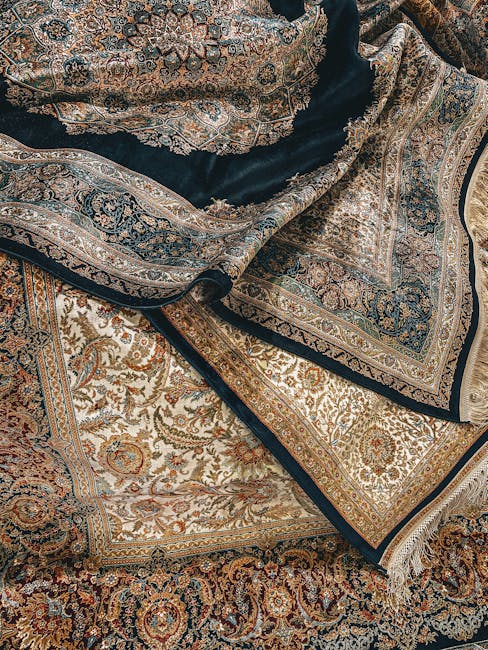
Rug cleaning for Lamorbey Park area homes
If you live in Lamorbey Park, you probably already know how quickly a lovely rug can go from "finishes the room" to "why does that patch look darker than the rest?". Spills, pet hair, muddy shoes, dust from busy rooms, and plain old everyday wear all build up quietly. Rug cleaning for Lamorbey Park area homes is not just about looks, either. It is about protecting fibres, keeping a room feeling fresh, and helping a good rug last years longer.
Truth be told, rugs take more punishment than most people realise. They sit under dining tables, beside sofas, in hallways, and in those cosy corners where everyone drops their feet after a long day. This guide walks you through how rug cleaning works, which methods suit different materials, what to avoid, and how to decide whether a rug needs gentle spot treatment, deep cleaning, or specialist attention. We will keep it practical, local-minded, and easy to act on.
One quick note: if you are comparing rug care with other fabric cleaning needs in the home, it can help to look at wider services too, such as carpet cleaning, sofa cleaning, and upholstery cleaning. Sometimes the full room needs a joined-up approach, not just one isolated clean.
Table of Contents
- Why rug cleaning matters in Lamorbey Park homes
- How the rug cleaning process works
- Key benefits and practical advantages
- Who this is for and when it makes sense
- Step-by-step guidance
- Expert tips for better results
- Common mistakes to avoid
- Tools, resources and recommendations
- Law, compliance, standards, or best practice
- Options, methods, or comparison table
- Case study or real-world example
- Practical checklist
- Conclusion
- Frequently asked questions
Why rug cleaning for Lamorbey Park area homes matters
Rugs do more than decorate a room. In many Lamorbey Park homes, they soften hard floors, reduce echo, and pull a living space together. But they also trap dust, grit, pollen, skin flakes, pet dander, and everyday spills. If you let that build up, the rug can start to look tired long before its time. You may not even notice the build-up at first. Then one sunny afternoon, with the light hitting the pile just right, you suddenly do.
There is also the practical side. Dirt particles act like fine sandpaper. Every step across a rug grinds them deeper into the fibres. Over time, that can flatten the pile and wear the backing. So rug care is not merely cosmetic. It is maintenance, plain and simple.
For households with pets, children, or regular visitors, the case is even stronger. A rug near the hallway or under a dining table is exposed to much more than ordinary foot traffic. Add the occasional wet shoe, food spill, or pet accident, and fast action becomes important. Not panic. Just a sensible, steady response.
There is another thing people often miss: indoor freshness. A rug can hold on to odours from cooking, pets, smoke, or damp shoes. On a cold, closed-up London evening, that scent can be more noticeable than the stain itself. You might clean the room and still feel it is not quite clean. Often, the rug is why.
Expert summary: regular rug cleaning protects appearance, supports indoor comfort, and helps preserve fibres, dyes, and structure. For busy homes, it is a lot more than a finishing touch.
How rug cleaning for Lamorbey Park area homes works
The right cleaning method depends on the rug. Wool, synthetic blends, cotton, silk, jute, viscose, and hand-made pieces all respond differently. That is why a one-size-fits-all approach can be risky. A safe process usually starts with inspection, then fibre testing, then a chosen cleaning method based on material, construction, and condition.
In practical terms, a professional-style rug clean usually follows these stages:
- Assessment: identify the fibre, backing, dye stability, stains, and wear patterns.
- Dry soil removal: loosen and remove grit before any wet cleaning begins.
- Pre-treatment: treat spots, traffic lanes, or pet-related marks with appropriate solutions.
- Controlled cleaning: use the correct method, such as hot water extraction, low-moisture cleaning, or specialist hand washing.
- Rinse or neutralise: remove residues that might attract dirt later.
- Drying: dry properly and evenly to prevent lingering damp or odour.
- Final grooming and check: reset the pile and check for any remaining marks.
It sounds straightforward, and in a way it is. But the detail matters. For example, a wool rug may tolerate careful washing but not aggressive agitation. A viscose rug can be very sensitive to moisture. A synthetic rug is usually more forgiving, though not immune to damage from harsh treatment. The trick is matching the method to the material, not the other way round.
Some rugs can be cleaned in place, but many benefit from being taken up and treated off-site, especially if they are large, delicate, or heavily soiled. Off-site cleaning gives more control over wash, rinse, and drying conditions. That can make a noticeable difference. Sometimes the difference is obvious from the first lift of the pile.
Key benefits and practical advantages
The benefits of proper rug cleaning are easy to list, but they show up in daily life. A clean rug makes a room feel calmer. The colours look brighter. The pile feels softer underfoot. And yes, the whole place smells better too, which is one of those small wins people appreciate more than they expect.
- Better appearance: colours look richer and patterns read more clearly once surface soil is removed.
- Improved hygiene: dust, allergens, crumbs, and pet hair are reduced.
- Longer rug life: removing grit helps reduce fibre abrasion.
- Odour control: cleaning can reduce lingering smells from pets, cooking, or damp.
- Safer living space: spill residues and sticky patches are removed before they attract more dirt.
- Better room feel: a clean rug quietly lifts the whole room. It really does.
There is also a value angle that people sometimes overlook. A decent rug is not cheap, especially if it is handmade or chosen to suit the room properly. Regular care protects that investment. Even if the rug was not expensive, replacing it sooner than necessary is still money down the drain. Nobody enjoys that.
And for homes in Lamorbey Park where rooms may do double duty as workspaces, family spaces, and guest spaces, a well-kept rug can help the whole home feel more considered. You notice it when you walk in. You notice it when you sit down. Quietly, it changes the atmosphere.
Who this is for and when it makes sense
Rug cleaning makes sense for more households than people think. You do not need a visible disaster to justify it. In fact, waiting until a rug looks obviously dirty often means the fibres have already taken a beating. A better approach is to clean based on use, material, and condition.
This is especially relevant if you have:
- young children who spill drinks or drop food
- pets that shed, track in dirt, or have the occasional accident
- high-traffic rooms like hallways, living rooms, or dining areas
- allergy concerns where dust control matters
- natural fibre rugs that need gentler treatment
- decorative or heirloom rugs you want to preserve
- a rental property or guest room that needs to look well cared for
It also makes sense when the rug has a specific issue rather than general dirt. Maybe there is a coffee ring. Maybe a muddy paw print dried in oddly. Maybe one side of the rug is discoloured from sunlight near a window. These are the sorts of problems that can be treated effectively when handled early.
If you have ever thought, "It does not look that bad," but you keep avoiding the rug because it feels a bit flat or stale, that is probably your sign. Rugs often whisper before they shout.
When a rug needs prompt attention
Some situations are best handled quickly rather than left for later:
- fresh food or drink spills
- pet urine or odour
- musty smells after storage or damp weather
- dark traffic lanes along walkways
- fraying, shedding, or pile distortion after DIY cleaning
- colour transfer from incorrect spot treatment
In those cases, acting early usually gives you a better chance of saving both appearance and structure.
Step-by-step guidance
If you are planning to clean a rug yourself, or simply want to understand what a proper clean should involve, this step-by-step outline will help. It is not glamorous work, but it is the sort of careful process that gives decent results.
- Check the label or fibre type. Before anything else, identify whether the rug is wool, synthetic, cotton, silk, jute, or a blend. If there is no label, inspect it closely and be cautious.
- Vacuum both sides if possible. Remove loose soil first. This matters more than many people think. Wet cleaning over grit can turn a good rug into a scratched-up regret.
- Test a small hidden area. Check for colour bleed, pile reaction, or texture changes before using any liquid cleaner.
- Treat spots individually. Dab, do not rub. Rubbing can spread the stain and rough up the fibres.
- Choose the least aggressive method that will work. Light soiling may only need low-moisture cleaning. Deeper issues may need more thorough treatment.
- Rinse or extract residues carefully. Leftover detergent can attract new dirt fast.
- Dry evenly and fully. A rug that stays damp too long can develop odour or, in worse cases, mould.
- Brush or groom the pile. This helps restore the rug's finish once it is dry.
- Inspect once more in daylight. Artificial light can hide a lot. Morning light by a window tells the truth.
If a rug is valuable, antique, or delicate, stop short of experimenting. That is not the time for confidence. That is the time for caution.
A simple at-home spot-cleaning approach
For a small fresh spill on a synthetic rug, a sensible approach is usually:
- blot with a clean white cloth
- lift solids gently with a spoon or blunt edge
- use a tiny amount of suitable cleaner
- blot again with clean water if needed
- dry with airflow, not heat blasting
Never soak the area. A small stain can become a much larger moisture ring if the backing is saturated. Annoying, but very common.
Expert tips for better results
A few practical habits make a huge difference. They are simple, but they add up.
Vacuum regularly, not just when the rug looks dusty. Dirt hides low in the pile. Regular vacuuming reduces wear between deeper cleans.
Rotate the rug. In many homes, one side gets more sun or foot traffic. Turning the rug helps even out fading and wear. It is one of the easiest things you can do.
Use entrance mats. They catch a surprising amount of grit before it reaches the rug. Less dirt in means less wear out.
Blot spills immediately. Speed matters. The longer a liquid sits, the deeper it travels.
Keep moisture under control. If a cleaning method leaves a rug too wet, dry it properly. Open windows if weather allows, use airflow, and avoid laying it flat in a damp room.
Match the cleaner to the fibre. Wool, silk, viscose, and natural plant fibres can react very differently. That mismatch is where a lot of DIY disasters begin.
Consider stain protection carefully. Some rugs benefit from protective treatment, but it should be suitable for the fibre and applied correctly. Slapping on a generic product is not a strategy. It is a gamble.
To be fair, the most expert tip of all is this: if a rug matters to you, do not treat it like a bath mat. Value and delicacy should guide the method.
Common mistakes to avoid
Most rug damage from cleaning comes from rushing, over-wetting, or using the wrong product. The job itself is not impossible. It is the assumptions that trip people up.
- Using too much detergent: more product does not mean more clean. It often means residue, stiffness, or sticky attractants for soil.
- Scrubbing aggressively: this can fuzz the pile and spread stains deeper.
- Skipping a colour test: even a small hidden test can prevent a big problem.
- Over-soaking natural fibres: jute, sisal, and viscose can react badly to excess moisture.
- Drying too slowly: lingering damp can cause odour and structural issues.
- Ignoring the backing: the front may look fine while the underside stays wet or warped.
- Using heat recklessly: a hairdryer on high, held too close, can make matters worse.
One slightly embarrassing truth? Many people notice the mistake only after they have already made it. We have all done that with something at home. The key is knowing when to stop and reassess.
If a rug has a stain that keeps reappearing after it dries, that often means residue or wick-back from the backing. It is a common issue, and it usually needs a more careful second treatment rather than more of the same product. Different problem, different fix.
Tools, resources and recommendations
You do not need a van full of gear to look after a rug properly, but a few well-chosen tools help a lot. The goal is control, not brute force.
- A good vacuum cleaner: ideally with adjustable suction and a gentle brush setting for delicate pile.
- White microfibre cloths: useful for blotting without transferring colour.
- Soft brush or pile brush: helpful once the rug is dry.
- Spot-cleaning solution: always choose one compatible with the rug fibre.
- Fan or steady airflow: useful for drying.
- Protective underlay: helps reduce slipping and can improve wear distribution.
For readers who want a wider service overview, pages like rug cleaning and stain removal can be useful starting points. If you are dealing with pet issues, the dedicated pet stain odour removal service is especially relevant because smell and staining often need to be tackled together.
If you are trying to decide whether a rug clean is worth budgeting for, the pricing page can also help set expectations: pricing and quotes. It is often easier to plan when you know what kind of service level you actually need.
When DIY is fine, and when it is not
| Situation | DIY may be suitable | Better to seek specialist help |
|---|---|---|
| Small fresh spill on synthetic rug | Yes, if you act quickly and blot gently | Only if the stain remains after spot treatment |
| Large wool rug with traffic dullness | Sometimes, with caution | Often yes, especially if the rug is valuable |
| Viscose or silk rug | Usually no | Yes, because moisture control is critical |
| Pet urine on a thick rug | Limited DIY at best | Yes, because odour can travel deep into the backing |
| Antique or hand-knotted rug | No, not as a first choice | Yes, almost always |
That table is not a hard rulebook, but it does reflect real-world caution. The more delicate the rug, the less room there is for guesswork.
Law, compliance, standards, or best practice
Rug cleaning at home is not heavily regulated in the way some trade services are, but there are still sensible standards and obligations to keep in mind. If you are hiring a cleaner, you should expect proper care with chemicals, equipment, and handling. In the UK, reputable providers usually work to general health and safety best practice, maintain appropriate insurance, and keep clear service terms. That is not flashy, just responsible.
If a rug cleaner is working in your home, you may also want to know how they handle permissions, access, fragile items, and safety around water and electrical equipment. Clear communication matters. So does proper drying, ventilation, and respect for surfaces around the rug.
For householders, the main best-practice points are simple:
- use products as directed
- keep children and pets away from wet areas
- avoid mixing cleaning chemicals
- store products safely
- stop if a fabric begins to bleed, warp, or distort
It is also sensible to check whether a cleaner explains their process clearly and has a straightforward complaints route if needed. Pages like health and safety policy, insurance and safety, terms and conditions, and complaints procedure can help show how a business approaches those basics. That kind of transparency is reassuring, and honestly, it should be.
If you are concerned about how your details are handled, it is reasonable to review privacy policy and payment and security information too. A good service should not make you guess about the boring-but-important bits.
Options, methods, or comparison table
Not every rug needs the same treatment. The best method depends on fibre, construction, soil level, and how quickly you need the rug back in use. Here is a practical comparison of common options.
| Method | Best for | Advantages | Limitations |
|---|---|---|---|
| Vacuuming and spot cleaning | Routine upkeep and small spills | Quick, low-cost, useful between deeper cleans | Will not remove embedded soil or deep odours |
| Low-moisture cleaning | Light to moderate soil on suitable rugs | Faster drying, less saturation | May not be enough for heavy staining |
| Hot water extraction | Durable synthetic rugs and some robust constructions | Deep cleaning, effective soil removal | Not ideal for delicate fibres or moisture-sensitive rugs |
| Hand washing | Wool, handmade, or delicate rugs | Careful control, better for sensitive materials | More time-consuming, requires skill and proper drying |
| Specialist restoration | Antique, damaged, or heavily soiled rugs | Best chance of preserving value | Usually slower and more involved |
If you are unsure, the safest rule is usually the simplest one: the more delicate or valuable the rug, the more conservative the method should be. Fancy terminology can sometimes distract from that plain truth.
A home with a sturdy polypropylene rug in the playroom and a hand-knotted wool piece in the sitting room will need two completely different care strategies. That is normal. It is not a sign of overthinking. It is just sensible ownership.
Case study or real-world example
Here is a realistic example based on a common local scenario. A Lamorbey Park household with a medium-sized wool rug in the lounge noticed a dull patch along the main walkway and a faint lingering smell after a dog accident a few weeks earlier. The rug still looked presentable from a distance, which is why it had been put off for a while. The trouble was that the soil had settled deeper than expected.
The first step was to identify the rug material and check whether colour would bleed. The rug was then vacuumed thoroughly, spot-treated in the affected area, and cleaned using a careful low-moisture approach rather than heavy soaking. Drying time was managed with airflow and good room ventilation. The result was not just cleaner colour. The pile stood back up better, the odour dropped noticeably, and the whole room felt lighter.
The important lesson? The visible stain was only part of the issue. Embedded grit and odour were the bigger problems. Once those were addressed properly, the rug did what it was supposed to do again: make the room feel warm and settled, not tired.
That sort of outcome is why people often say, after the fact, "I should have done that sooner." Happens all the time.
Practical checklist
Use this quick checklist before you clean or book cleaning for a rug in a Lamorbey Park home.
- Identify the rug fibre and backing if possible
- Check for care labels or maker guidance
- Vacuum both sides gently where suitable
- Test any cleaner on a hidden corner
- Deal with spills as early as possible
- Use blotting rather than scrubbing
- Keep moisture under control
- Ensure proper drying with airflow
- Rotate the rug if one area wears faster
- Consider specialist help for delicate, antique, or odour-heavy rugs
Helpful rule of thumb: if you feel uncertain about a rug's fibre, colour stability, or value, do not guess. Pause first, then choose the gentlest path available.
Conclusion
Rug cleaning for Lamorbey Park area homes is one of those household tasks that quietly pays you back. You get a fresher room, a better-looking floor covering, less trapped dirt, and a longer life out of the rug you already own. More importantly, you avoid the slow wear that builds up when cleaning is left too long or handled too roughly.
The main thing to remember is that good rug care is not about doing the most. It is about doing the right thing for the fibre, the stain, and the situation. Sometimes that is a quick spot clean. Sometimes it is a careful deep clean. Sometimes it is simply knowing when to stop and hand the job over to someone with the right approach. That judgment makes all the difference.
If your rug has started looking flat, dull, or a bit off-colour, you do not need to wait for a major spill to act. A careful clean now can save hassle later and make the whole room feel more like home again.
Get a free quote today and see how much you can save.
And if all you do after reading this is vacuum that one neglected rug corner and notice the difference, well, that is a pretty good start.
Frequently Asked Questions
How often should rugs be cleaned in Lamorbey Park homes?
It depends on use. High-traffic rugs or rugs with pets and children usually need more frequent care than decorative pieces. Regular vacuuming is important, and deeper cleaning is sensible when the rug starts looking dull, smelling stale, or holding onto spots that do not lift with spot treatment.
Can I clean a wool rug at home?
Often, yes, but carefully. Wool is resilient in some ways and sensitive in others. Light vacuuming and gentle spot cleaning are usually fine, but soaking or harsh chemicals can cause shrinkage, texture changes, or colour loss. If the rug is valuable, hand-made, or heavily stained, a specialist approach is safer.
What is the safest way to remove a fresh spill?
Blot it quickly with a clean white cloth, working from the outside of the spill inward. Avoid rubbing, because that spreads the stain and can push it deeper into the fibres. Then use the smallest suitable amount of cleaner and dry the area properly.
Why does my rug still smell after cleaning?
Odour can come from deeper in the pile or backing, especially with pet accidents or damp. Surface cleaning may remove what you can see without fully reaching the source. In those cases, deeper treatment or specialist odour removal is often needed.
Is steam cleaning good for all rugs?
No. Steam or hot-water methods can work well on some durable synthetic rugs, but they are not suitable for every fibre. Delicate materials such as silk, viscose, and some natural fibres may react badly to excess moisture or heat. Always match the method to the rug type.
How do I know if a rug is too delicate for DIY cleaning?
If it is handmade, antique, silk, viscose, heavily dyed, or already damaged, treat it as delicate. Also be cautious if you are unsure about the fibre. When in doubt, avoid strong cleaners, heavy wetting, and vigorous scrubbing.
Will rug cleaning remove pet stains?
Often it can improve them a great deal, especially if handled early. However, pet stains can penetrate deeply, so a simple surface clean may not be enough. For urine or persistent odours, a more thorough treatment is usually required.
Can a rug be cleaned without taking it away from the room?
Sometimes, yes. In-room cleaning can be convenient for sturdy rugs and lighter soil. But off-site cleaning may be better for delicate, valuable, or heavily soiled pieces because it gives more control over washing and drying.
How long does a rug take to dry?
Drying time depends on the fibre, method, humidity, ventilation, and how much moisture was used. A lightly treated rug may dry fairly quickly, while a deeper clean takes longer. Proper airflow helps a lot, and it is worth being patient rather than rushing it.
What should I ask before booking a rug cleaner?
Ask what methods they use, how they handle different fibres, whether they provide insurance, how drying is managed, and what happens if a stain does not fully lift. Clear answers are a good sign. A decent cleaner should explain things without making them sound mysterious.
Are there any safety concerns with home rug cleaning products?
Yes, mainly around overuse, mixing chemicals, and using the wrong product for the fibre. Keep children and pets away while a rug is wet or treated, and always follow product instructions carefully. If something smells strong or seems harsh, stop and reassess.
Can rug cleaning help with allergies?
It can help reduce the dust and debris trapped in the fibres, which may improve indoor comfort for some people. It is not a medical treatment, of course, but cleaner rugs can support a fresher, tidier home environment when combined with regular vacuuming and general dust control.